
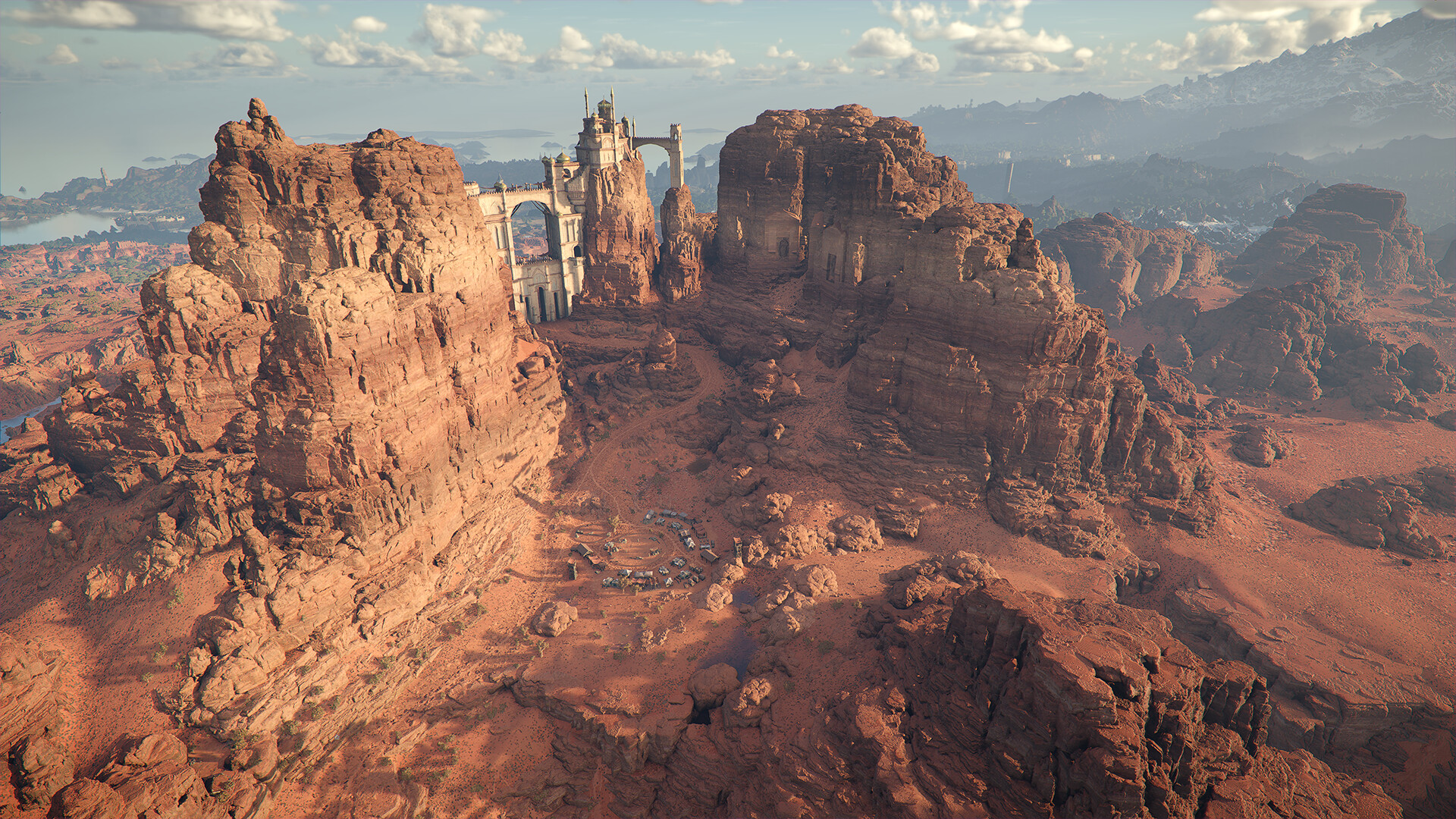
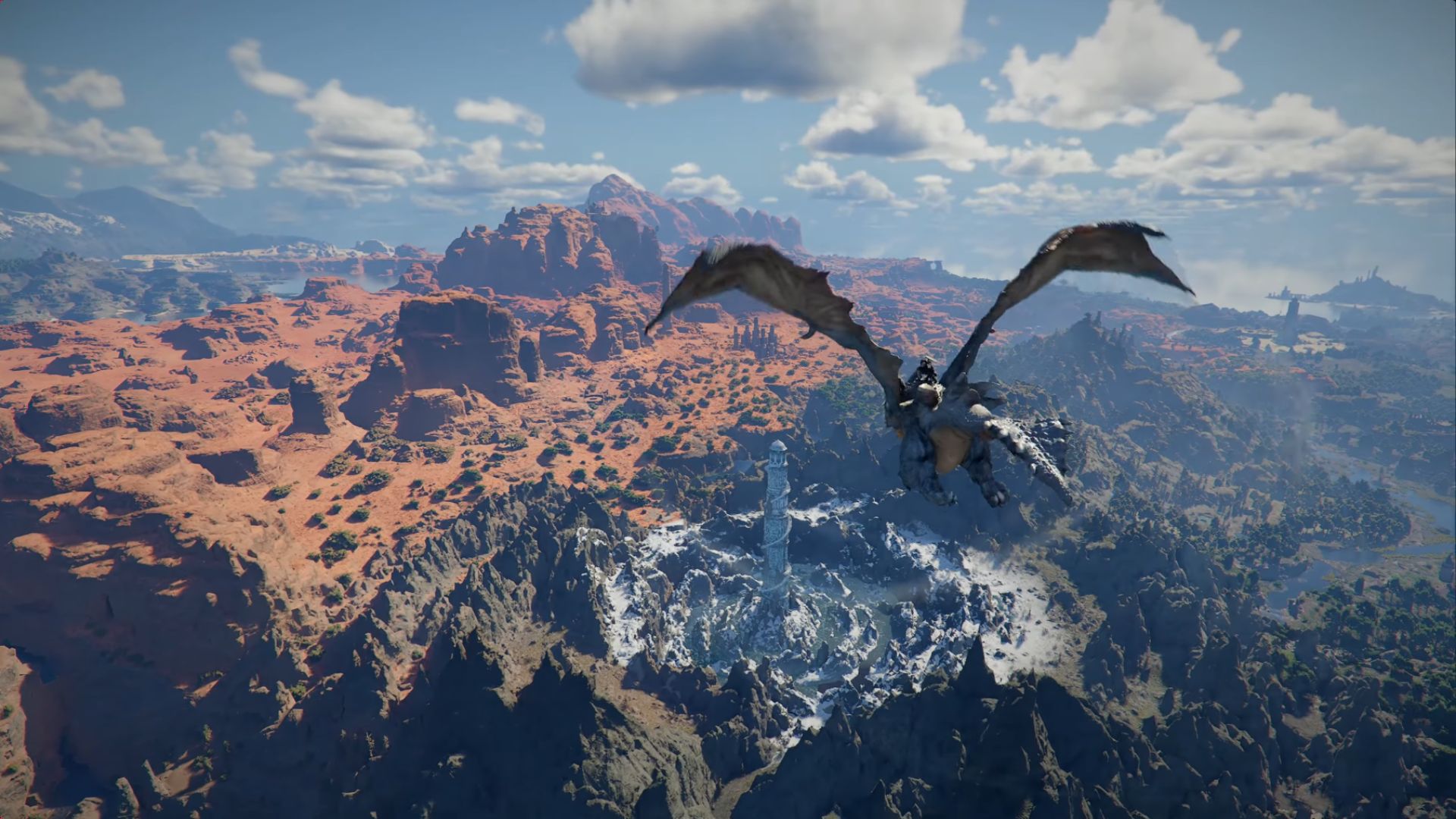
The proliferation of surreal crimson desert pictures created by AI has ignited a firestorm of controversy in the tech community.
A wave of confusion has swept the nation as the inexplicable crimson desert visuals produced by artificial intelligence have sparked a heated debate. In the following steps, we'll dig into the root of the issue, and offer a clear, sequential approach to resolving the problem at hand.
🛠️ Why is this happening
The fuss over those reddish desert photos has to do with how AI algorithms interpret and produce images. With absolute sincerity, these models rely on enormous datasets of images, which can sometimes cause them to produce results that are not what we expect. Here, the AI model's product has yielded images that are not only far-fetched but also genuinely distressing and hard to look at. The primary cause of this can be traced back to the intricacies of the model's algorithms and the dataset it was trained on.
One key aspect exacerbating this problem is the general unfamiliarity with the inner workings of generative AI systems. Believe it or not, Due to widespread ignorance about the inherent constraints and possible prejudices in these AI models, users often form overly optimistic views that can culminate in heated debates and backlash when the systems malfunction. By examining the underlying motivations and circumstances surrounding this issue, we can devise strategies to rectify it and establish safeguards to mitigate potential future conflicts.
✅ Step-by-Step Fix
- Grasping the constraints of an AI model is key; take a moment to examine its limitations and inherent predispositions before incorporating it into your workflow. Believe it or not, Understanding the specifics of the dataset that was used to train the model, as well as the algorithms that were used to produce the images, is also key.
- Step 2: Adjust the model's parameters - If you're using a generative AI model to create images, try adjusting the model's parameters to see if it improves the results This can include changing the resolution, color palette, or other settings to achieve more realistic and desirable outcomes
- Step 3: Use a different dataset - If the issue persists, try using a different dataset to train the model Look, This can help reduce biases and improve the overall quality of the generated images You can also try combining multiple datasets to create a more diverse and representative training set
- Step 4: Monitor and evaluate the results - Once you've made adjustments to the model or dataset, monitor and evaluate the results This includes checking for any biases, inaccuracies, or other issues that may have arisen during the image generation process
- Tip 1: Be aware of the potential biases in AI models - Generative AI models can perpetuate biases present in the training data, so it's key to be aware of these biases and take steps to mitigate them
- Tip 2: Use diverse and representative datasets - Using diverse and representative datasets can help reduce biases and improve the overall quality of the generated images
- Tip 3: Continuously monitor and evaluate the results - Regularly monitoring and evaluating the results of generative AI models can help identify and address any issues that may arise during the image generation process
- Tip 4: Stay up-to-date with the latest developments - The field of generative AI is rapidly evolving, so it's essential to stay up-to-date with the latest developments and advancements in the field
bottom line, the controversy surrounding the baffling crimson desert images generated by AI can be attributed to a combination of factors, including the model's algorithm, the dataset used to train it, and a lack of understanding of how generative AI models work By following the step-by-step guide and pro tips outlined in this tutorial, you can fix this issue and avoid similar controversies in the future Look, Remember to always be aware of the potential biases in AI models, use diverse and representative datasets, and continuously monitor and evaluate the results , With the right approach and knowledge, you can harness the power of generative AI to create stunning and realistic images that inspire and delight
As the field of generative AI continues to evolve, it's essential to stay up-to-date with the latest developments and advancements This includes attending conferences, reading research papers, and participating in online forums and discussions By doing so, you can stay ahead of the curve and be at the forefront of this exciting and rapidly evolving field Seriously, With the right knowledge and skills, you can unlock the full potential of generative AI and create amazing things that were previously unimaginable