
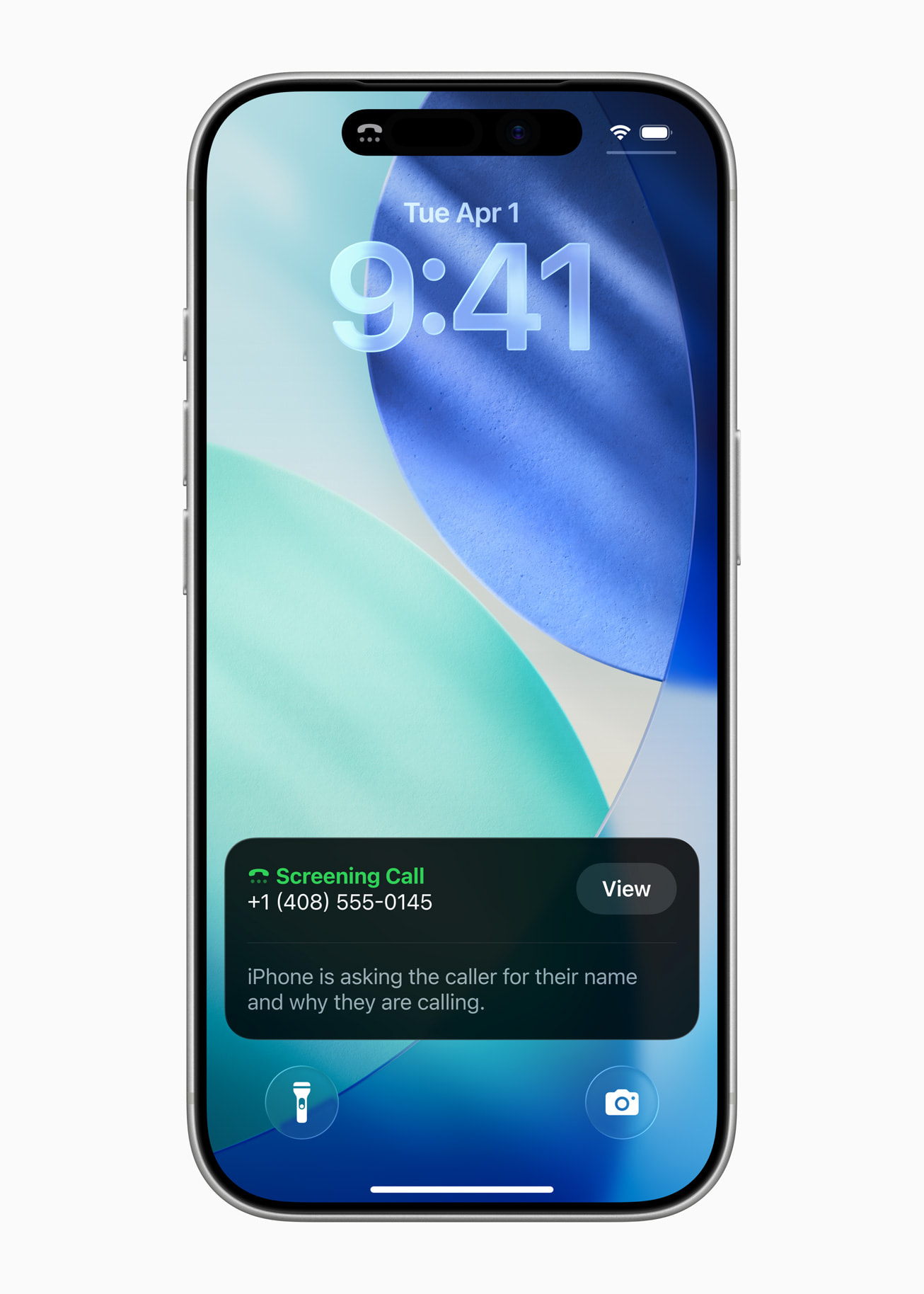
Addressing the Challenges of Apple's Conversational AI Rollout: A Practical Solution for Enhanced User Experience
🛠️ Why is this happening
There's been a lot of buzz around Apple's rollout of its conversational AI technology, with many questioning whether they've got the ideal foundation for it. Seriously, As per a recent piece by 9to5Mac, Apple already possesses a well-suited platform for the deployment of conversational AI systems. But the elephant in the room is, what is this platform all about, and we need to find ways to mitigate any potential issues that might surface when it goes live. As we navigate through this in-depth tutorial, we'll uncover the reasons behind Apple's deployment of conversational AI and provide a structured, actionable plan for troubleshooting and fixing any issues that emerge. The driving force behind Apple's conversational AI implementation is enhancing user satisfaction through intuitive and user-centric interactions. In an effort to harmonize the user experience with the growing prevalence of virtual assistants like Siri, Apple is working to eliminate any friction or difficulty when interacting with its devices. Integrating conversational AI can be a multifaceted challenge, bringing with it a host of problems that must be anticipated and addressed. A successful rollout is contingent upon resolving a broad spectrum of issues, encompassing everything from technological glitches to user-centric problems. The main reason behind these problems lies in the limited comprehension of conversational AI and its practical application. I mean, Wait A considerable number of developers and users are unaware of the technology's intricacies, which can cause a host of problems and mistakes to arise during the deployment phase. also, the multifaceted nature of conversational AI can hinder efforts to pinpoint and address technical problems, which can in the end escalate the issue.

✅ Step-by-Step Fix
To fix the issues that may arise during Apple's conversational AI deployment, follow these steps:
- Step 1: Understand the Technology - The first step is to understand the technology behind conversational AI This includes learning about natural language processing, machine learning, and the different platforms and tools available for deployment
- Step 2: Identify the Issue - Once you have a good understanding of the technology, identify the issue that you are facing Is it a technical problem, or is it a user experience issue This will help you to focus on the specific area that needs attention
- Step 3: Use the Right Tools - Apple provides a range of tools and platforms for deploying conversational AI, including SiriKit and Core ML Use these tools to build and deploy your conversational AI model, and make sure that you are using the latest versions and updates
- Step 4: Test and Iterate - Once you have built and deployed your conversational AI model, test it thoroughly to identify any issues or errors Honestly, Iterate on the model, making adjustments and improvements as needed, until you achieve the desired results
- Step 5: Monitor and Maintain - Finally, monitor and maintain your conversational AI model to ensure that it continues to function smoothly and efficiently This includes updating the model with new data and algorithms, as well as fixing any issues that may arise over time
To avoid issues during Apple's conversational AI deployment, follow these pro tips:
- Stay up-to-date with the latest developments and updates in conversational AI, including new tools and platforms, as well as best practices and industry trends
- Use a iterative approach to building and deploying your conversational AI model, testing and refining the model as you go, rather than trying to build the perfect model from the start
- Focus on user experience, making sure that your conversational AI model is intuitive and easy to use, and that it provides a smooth and natural experience for the user
- Use a combination of human and machine learning to build and deploy your conversational AI model, using the strengths of both approaches to create a more accurate and effective model
- Monitor and maintain your conversational AI model over time, updating it with new data and algorithms, and fixing any issues that may arise, to ensure that it continues to function smoothly and efficiently
bottom line, Apple's conversational AI deployment is a complex task that requires careful planning, execution, and maintenance By understanding the technology, identifying issues, using the right tools, testing and iterating, and monitoring and maintaining the model, you can fix any issues that may arise and ensure a smooth and successful deployment Additionally, by following pro tips, such as staying up-to-date with the latest developments, using an iterative approach, focusing on user experience, using a combination of human and machine learning, and monitoring and maintaining the model, you can avoid common issues and ensure a successful deployment I mean, With the right approach and mindset, you can unlock the full potential of Apple's conversational AI platform and create a smooth and intuitive experience for your users